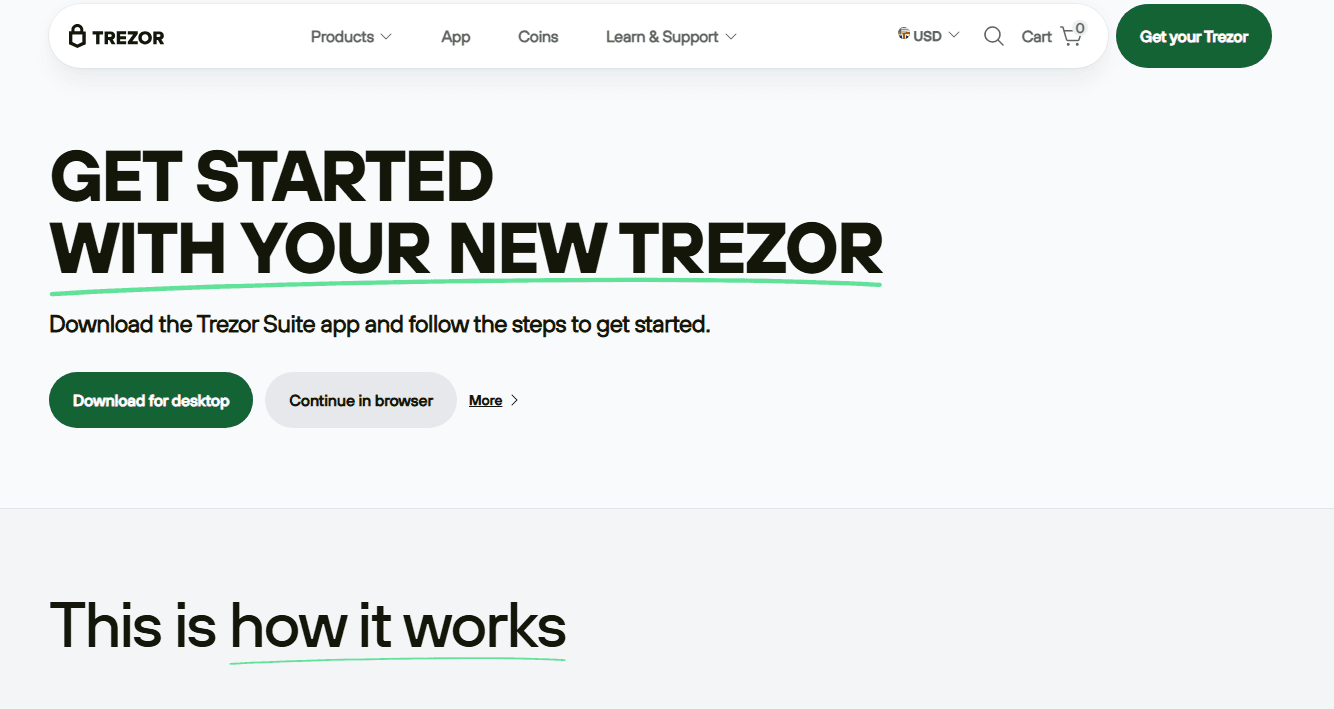
Trezor Login: A Complete Guide to Accessing Your Cryptocurrency Wallet
Accessing your Trezor wallet securely is an essential step in managing cryptocurrency safely. Trezor login ensures that users can interact with their hardware wallet while maintaining full control over private keys. Following proper login procedures protects your digital assets from unauthorized access, phishing attacks, malware, and other security threats.
This guide explains the importance of Trezor login, provides detailed step-by-step instructions, covers recovery options, common mistakes, and long-term security practices for users of all experience levels.
Understanding Trezor Hardware Wallets
Trezor hardware wallets are physical devices designed to store private keys securely offline. Unlike software wallets or cryptocurrency exchanges, Trezor ensures that private keys never leave the device. All sensitive operations, including transaction signing, occur on the device itself.
By keeping private keys offline, Trezor devices significantly reduce the risk of hacking and malware attacks. Understanding how Trezor works is fundamental to using the login process effectively and securely.
Why Secure Trezor Login Is Important
Trezor login is more than just accessing a wallet; it is a security checkpoint. The login process authenticates the user and protects cryptocurrency assets from unauthorized access.
Even if the computer or device connected to Trezor is compromised, the login process ensures that private keys remain secure. Proper login practices are essential for long-term security, preventing unauthorized transactions and ensuring safe management of cryptocurrency holdings.
Methods of Logging Into a Trezor Wallet
The primary method of accessing a Trezor wallet is through Trezor Suite, the official application for managing the device. Trezor Suite provides a user-friendly interface for:
Viewing cryptocurrency balances
Sending and receiving funds
Managing multiple accounts
Monitoring transaction history
Advanced users may also use the Trezor device with compatible third-party applications for decentralized finance or cryptocurrency trading. Regardless of the platform, the login process always requires authentication through the physical device, keeping private keys secure.
Preparing for Trezor Login
Before logging in, ensure that your Trezor device is:
Properly connected to a computer or mobile device
Powered on and fully functional
Updated with the latest firmware
Additionally, you should have your PIN code ready. In certain scenarios, such as restoring a lost or reset device, the recovery seed may also be needed. The recovery seed should never be stored digitally or shared, as it provides full access to your funds. Proper preparation ensures a smooth and secure login experience.
Step-by-Step Trezor Login
Step 1: Connect Your Device
Use the official cable to connect your Trezor wallet to your computer or mobile device. A stable connection is important to prevent interruptions during login. Once connected, the device will power on and display the welcome screen.
Step 2: Open Trezor Suite
Launch Trezor Suite. The software will detect your hardware wallet and prompt you to start the login process.
Step 3: Enter Your PIN
Enter your PIN directly on the device using its physical buttons. The numeric layout changes with each login attempt to prevent pattern recognition or keylogging attacks.
Step 4: Device Authentication
After entering your PIN, Trezor Suite authenticates the device. This ensures that the wallet is genuine and has not been tampered with. Device authentication is a critical security measure that must not be skipped.
Step 5: Access Your Accounts
Once authentication is complete, Trezor Suite will display all cryptocurrency accounts associated with the device. Users can view balances, monitor transactions, and manage multiple accounts securely. Private keys remain on the device, ensuring maximum protection.
Logging in Using a Recovery Seed
In cases where the device is lost, damaged, or reset, the recovery seed can be used to regain access to the wallet. Entering the sequence of words generated during initial setup allows the user to restore their funds.
Recovery seed login must be performed on a secure, offline device. Proper handling is essential to prevent unauthorized access. Users should verify that their environment is free of malware and that no one else can view the seed during entry.
Common Mistakes to Avoid During Login
Rushing the Process: Quickly entering the PIN or recovery seed can result in mistakes or lockouts.
Storing the Recovery Seed Digitally: Never store your recovery seed on a computer, phone, or online service, as digital copies can be hacked.
Using Unverified Software: Only use Trezor Suite or verified applications to log in. Third-party software can compromise security.
Ignoring Firmware Updates: Outdated firmware may contain vulnerabilities. Keeping the device updated is essential.
Long-Term Security Practices
Maintaining secure login habits is critical for long-term protection:
Store the device safely: Keep the wallet in a secure location to prevent theft or physical damage.
Protect PIN and recovery seed: Never share these details or store them digitally.
Update firmware regularly: Updates include important security patches.
Verify transactions on the device: Always check details on the Trezor screen before confirming any transaction.
Be vigilant against phishing attacks: Avoid entering sensitive information on untrusted websites or apps.
Advantages of Trezor Login
The login process offers several key benefits:
Device-level authentication: Only the physical device can approve access.
PIN protection: Adds an extra layer of security to prevent unauthorized access.
Offline key storage: Private keys never leave the device.
Recovery options: Funds can be safely restored using the recovery seed.
Secure transaction approval: All transactions must be confirmed on the device itself.
Tips for a Smooth Login Experience
Always use Trezor Suite or verified applications for login.
Confirm that the device is genuine and untampered.
Take your time entering the PIN to avoid lockouts.
Ensure your computer or mobile device is secure and free from malware.
Keep multiple offline backups of your recovery seed in separate secure locations.
Who Should Prioritize Secure Login
All Trezor users, whether beginners or advanced, should prioritize secure login practices. Beginners benefit from understanding device authentication, PIN management, and recovery options. Experienced users managing multiple accounts can maintain confidence in the safety of their assets.
Secure login is not only about accessing the wallet—it is a safeguard that ensures the integrity and safety of cryptocurrency holdings.
Additional Security Considerations
Beyond login, users should adopt comprehensive security habits:
Keep firmware up-to-date.
Verify the authenticity of the hardware wallet regularly.
Physically secure the device in a safe location.
Use strong, unpredictable PIN codes.
Limit exposure of the device to untrusted networks or devices.
Following these practices ensures that login is only part of a broader security strategy.
Conclusion
Trezor login is a critical component of managing cryptocurrency securely. It allows users to access accounts, approve transactions, and manage multiple assets while keeping private keys safe on the hardware wallet.
The combination of device authentication, PIN protection, recovery seed management, and offline key storage ensures a secure login process. By following best practices and maintaining long-term security habits, users can confidently manage their cryptocurrency assets.
Logging in is not just about accessing the wallet—it is a crucial step in safeguarding digital wealth, maintaining self-custody, and protecting cryptocurrency from potential threats.