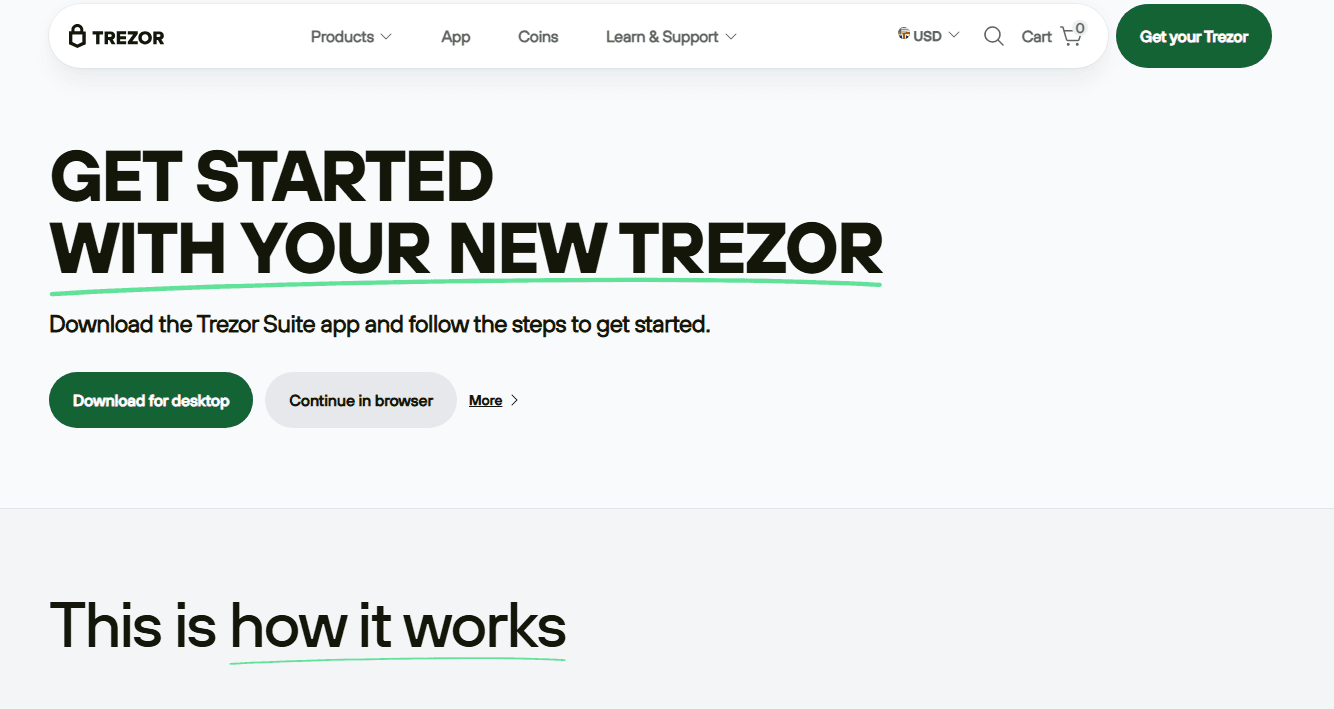
Trezor Login: A Complete Guide to Accessing Your Trezor Wallet
Accessing your Trezor wallet securely is an essential part of managing your cryptocurrency assets. The Trezor login process allows users to safely interact with their hardware wallet through Trezor Suite or compatible software, ensuring full control over their private keys while maintaining robust security.
This guide explains the Trezor login process, its importance, step-by-step instructions, common mistakes to avoid, and long-term practices to keep your digital assets safe.
Understanding Trezor Wallets
Before diving into the login process, it is important to understand how Trezor wallets function. A Trezor hardware wallet is a physical device designed to store cryptocurrency private keys securely offline. Unlike online wallets or exchanges, Trezor gives users full control over their assets.
The private keys never leave the device. All transactions are signed internally on the device, providing maximum protection against malware, phishing, and other online attacks. The login process interacts with this hardware to provide access to balances and transaction management without compromising security.
Why a Secure Trezor Login Matters
Trezor login is more than just accessing your account. It is a security checkpoint that ensures that only authorized users can interact with the hardware wallet. Using the proper login process prevents unauthorized access and protects your assets from theft or loss.
Unlike web-based wallets, Trezor login is tied to the physical device and your PIN. This ensures that even if your computer is compromised, your cryptocurrency remains safe. Understanding the login process and following it correctly is critical for maintaining long-term security.
Methods of Logging Into a Trezor Wallet
The primary way to access a Trezor wallet is through Trezor Suite, the official software application for managing your device. Trezor Suite provides a user-friendly interface for checking balances, sending and receiving assets, and managing multiple accounts.
Some advanced users may also use the Trezor device with third-party applications for decentralized finance or cryptocurrency trading. Regardless of the method, the login process always requires authentication through the physical device.
Preparing for Trezor Login
Before logging in, make sure your Trezor device is properly connected and powered on. You should also ensure that Trezor Suite is installed and up to date.
It is important to have your PIN code and recovery seed available if needed. The recovery seed should never be stored digitally or shared, as it grants full access to your funds. Proper preparation ensures a smooth and secure login experience.
Step-by-Step Guide to Logging Into Trezor
1. Connect Your Device
Begin by connecting your Trezor hardware wallet to your computer or mobile device. Use the official cable provided with the device to avoid connectivity issues. Once connected, the device will power on, displaying the initial screen.
2. Open Trezor Suite
Launch Trezor Suite on your computer or mobile device. The application will detect the connected hardware wallet and prompt you to start the login process.
3. Enter Your PIN
Your PIN is the first layer of protection for accessing your wallet. Enter it directly on the Trezor device using the device’s physical buttons. The layout of numbers may vary each time for additional security.
4. Authenticate Access
After entering the PIN, Trezor Suite will authenticate the device. This process ensures that the device is genuine and that no tampering has occurred. Authentication is critical to confirm the security of the hardware wallet.
5. Access Your Accounts
Once authentication is complete, Trezor Suite will display your cryptocurrency accounts. You can now view balances, manage assets, and prepare transactions securely. The private keys remain on the device, ensuring that all operations are protected.
Using Recovery Seed for Login
In certain situations, such as resetting the device or recovering from loss, you may need to use your recovery seed to log in. This involves entering the sequence of words generated during setup to restore access.
Trezor login with a recovery seed should always be done on a secure, offline computer. Careful handling of the recovery seed ensures that no unauthorized parties can access your funds.
Common Mistakes to Avoid
Rushing Through Login: Entering the PIN too quickly without verifying numbers can lead to mistakes or device lockouts.
Storing Recovery Seed Digitally: Never enter your recovery seed on a computer or online form. It should always remain offline.
Using Unverified Software: Only use Trezor Suite or compatible trusted applications to log in. Third-party software may compromise security.
Ignoring Firmware Updates: Keeping your device firmware updated is crucial for protecting against vulnerabilities.
Long-Term Security Practices
Maintaining security during Trezor login is an ongoing process. Users should adopt several long-term practices to protect their assets:
Keep the Device Safe: Store the hardware wallet in a secure location to prevent physical theft.
Protect Your PIN and Recovery Seed: Never share these with anyone or store them digitally.
Regularly Update Firmware and Software: Updates often include security patches essential for safe operation.
Verify Every Transaction: Always check transaction details on the device screen before approving.
Stay Vigilant Against Phishing: Never enter your PIN or recovery seed on untrusted platforms or websites.
Advantages of the Trezor Login Process
The login process for Trezor wallets is designed to maximize security while remaining user-friendly. Some key advantages include:
Device-Level Authentication: Ensures that only the physical device can approve actions.
PIN Protection: Provides an additional security layer that prevents unauthorized access.
Offline Key Management: Private keys remain offline and never leave the device.
Recovery Options: Users can restore access using the recovery seed without compromising security.
Secure Transaction Approval: All transactions must be confirmed on the device, reducing the risk of hacking.
Tips for a Smooth Login Experience
Always use the official Trezor Suite application.
Double-check that the device is genuine and untampered.
Take your time when entering the PIN to avoid lockouts.
Make sure your computer or device is free from malware before logging in.
Keep multiple secure backups of your recovery seed in safe locations.
Who Should Be Concerned About Secure Login
Every Trezor user, regardless of experience level, should pay attention to secure login practices. Beginners benefit from understanding the basics of device authentication and recovery procedures, while advanced users gain confidence in managing multiple accounts securely.
Secure login is not just about accessing your wallet—it is about maintaining the integrity and safety of your cryptocurrency assets over time.
Conclusion
Trezor login is a critical step in safely managing your cryptocurrency. By using the Trezor hardware wallet and following the proper login process, users can access their accounts, view balances, and approve transactions securely.
The combination of device-level PIN protection, recovery seed backup, and offline key management ensures that cryptocurrency remains safe even in the face of potential online threats.
Following proper login practices, keeping your device and recovery information secure, and staying vigilant against scams and phishing attacks are essential for long-term security.
By understanding and implementing these steps, Trezor users can confidently manage their digital assets, knowing that their private keys are protected at all times.